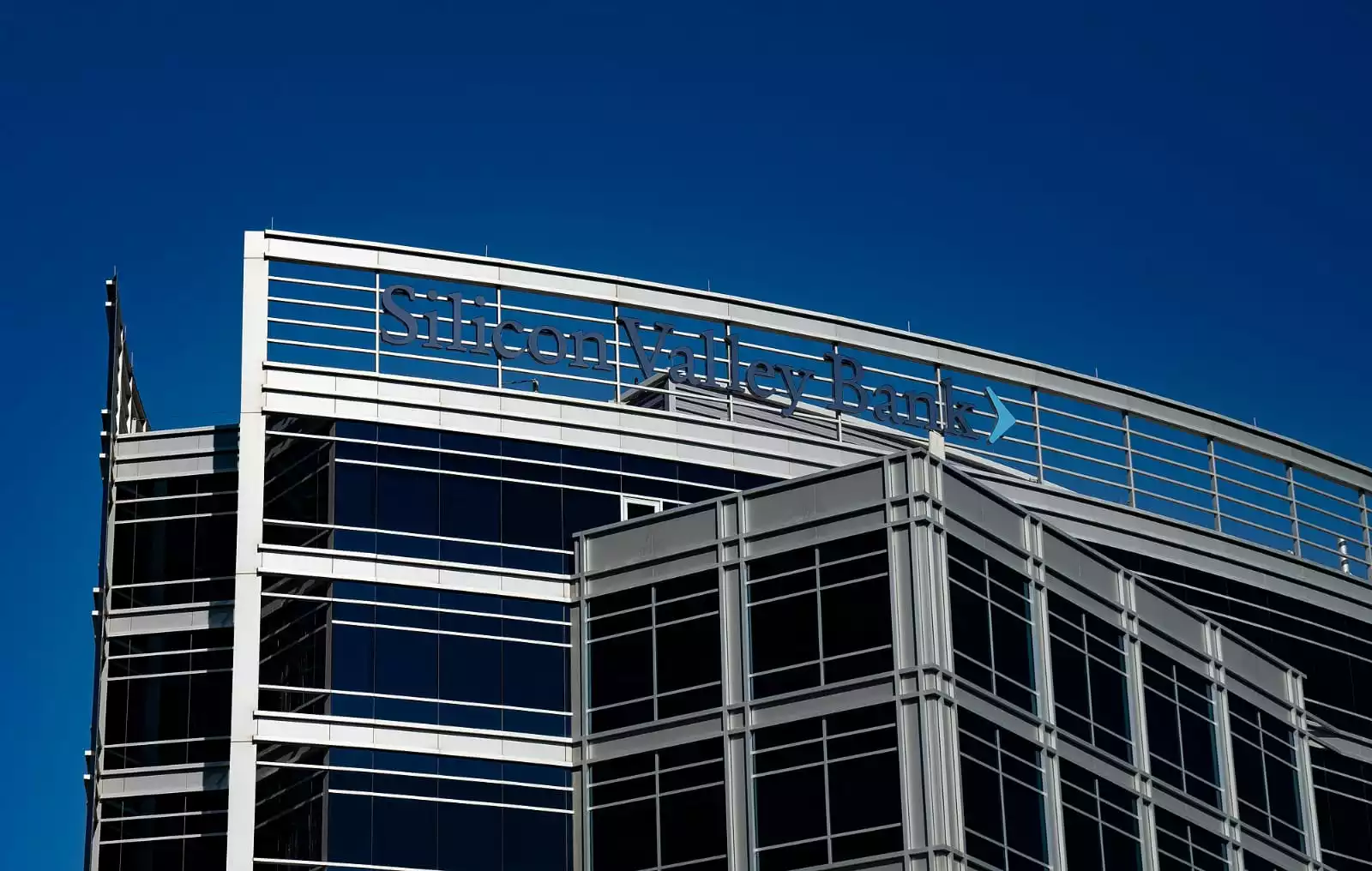
The United States (U.S.) is facing the most significant banking crisis since 2008, with three banks: Silicon Valley Bank (SVB), Signature Bank, and Silvergate Capital, collapsing in the last 48 hours. The most prominent being SVB.
SVB was a fixture in the tech industry, promoting many startup projects. In contrast, Signature Bank and Silvergate Capital were well-known in crypto. With the recent crypto crash and this last year's downturn in the tech market, all saw major losses. The Federal Reserve Bank (Fed) raising interest rates also devalued the banks' safer assets, such as treasury bonds and other long-term investments.
Top executives and shareholders had begun to divest themselves of their stake in these banks weeks before their collapse: in February, Gregory Becker, CEO of SVB, sold 3.6 million in stock, Daniel Beck, CFO, sold 32%, Michelle Draper, CMO, sold off 25%, Michael Zucker sold 19%.
Despite this, publicly, Greg Becker attempted to calm investors' concerns. But, these rising issues led to a run on the banks, forcing them to sell off their assets to meet depositors' demands. The need to sell off their long-term devalued assets meant the bank was taking a loss. Eventually, they were no longer facing a simple liquidity issue but, instead, insolvency.
The Treasury Department has now stepped in to guarantee that SVB depositors will have access to "all of their money", defending the move by stating that this is not a traditional bailout, as the banking sector experienced in 2008 since executives and shareholders will not be covered. Only depositors are being protected. But, as we've examined, major executives and shareholders have already divested themselves of large portions of their stakes.

SVB executives not only caused this collapse with their irresponsible behaviour, but they were one of the most notable lobbyists against regulations which could have prevented or at least increased coverage for their sector. Greg Becker lobbied the federal government to relax some Dodd-Frank provisions on regional lenders. In 2018, then-President Donald Trump did exactly that. SVB also lobbied against recent provisions to increase Federal Deposit Insurance Corporation (FDIC) rates for funds to protect customers. This would have allowed for more extensive customer protection funded by the banks rather than having the taxpayer bail them out again.
This is just another example of how the capitalist class corrupts our government to steal from the people for their own gains and how this is normalised. Privatising profits and socialising losses. In fact, this isn't even the first time some of these individuals have been in this exact situation. Silicon Valley Bank (SVB) executive, Joseph Gentile, was a former Lehman Brothers' Global Bank executive before the bank's public collapse in 2008.
One of the major arguments for this move is that we must protect the workers. Ensuring that depositors are made whole is good since many businesses rely on these larger accounts for their payroll and expenses. This is true. Now, of course, in a just society, the banks, the executives, and the shareholders would all be stripped of their assets in exchange for the taxpayer dollars they receive. The banks and corporations, in turn, become the people's banks and the people's corporations. Executives' bank accounts, estates, etc., would all be seized, sold off, and redistributed to projects or programs that benefit the people since we've now collectively paid for all these things. This should happen with every bailout.
Though, with the capitalist class's stranglehold over Western governments, the people will only see justice once they are ready to take it for themselves. So, at this time, the taxpayer is paying the bill, and those who lobbied our government so they could be in a position to rob us are walking away with millions in profit. Again.