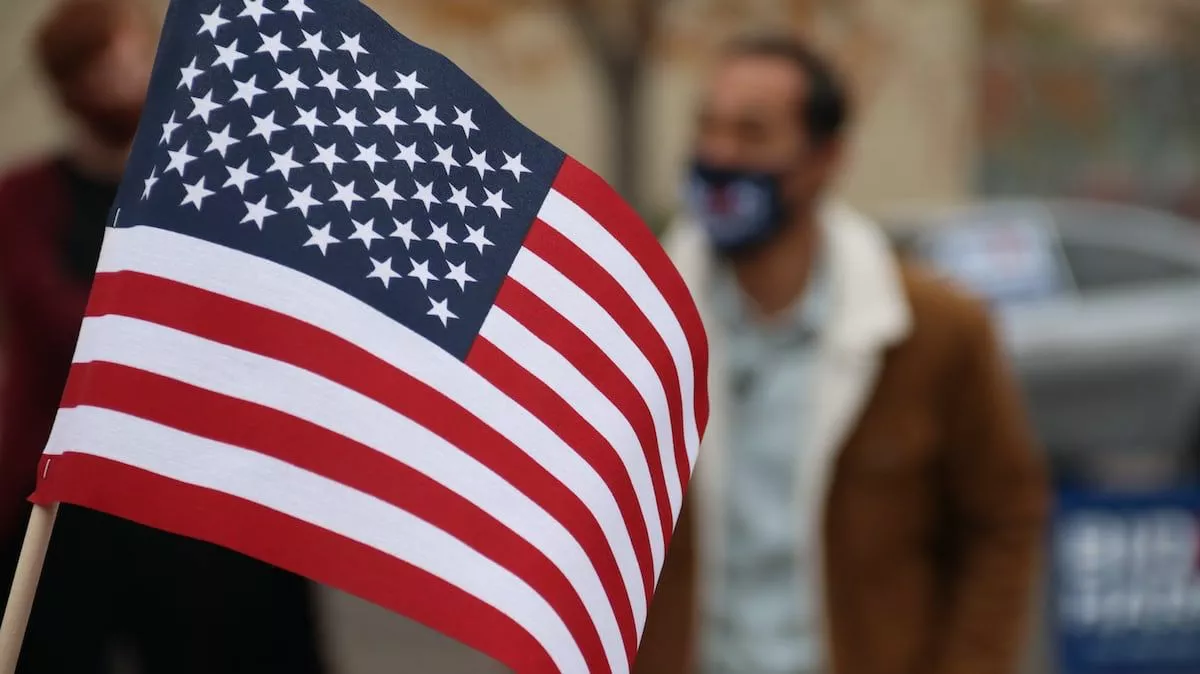
The November 8, 2022 American elections have come and gone, with most reported results showing divided control over Congress, State and local elected offices. If anything is remarkable about the elections it is the reported closeness of results, with reports of literally dozens of important races around the country being decided by one or two percentage points between contenting candidates.
Widespread pre-election media warnings of possible political violence (E.g., “Right-wing support for political violence 'is no longer a fringe position,'” or “What happens if Election Day gets Disrupted?”) appear to have been stirred up as a deliberate tactic to keep elderly, fearful or uncommitted voters from voting. In response, even the Communist Party USA’s People’s World website felt it necessary to publish a pre-Election Day guide entitled, “If you’re threatened or hassled on Election Day, here’s what to do.” In the American electoral system, absolutely dominated by the two major parties (Republican and Democratic), it has long been axiomatic that “elections are decided by turnout” (i.e., the number of voters who bother to come out to vote for a given candidate or party) and not simply by popular support or voiced enthusiasm for one candidate or the other. In the 2022 elections, in spite of false rumors of coming violence, turnout was still better than average for an “off-year” election, but lower than when a presidency is at stake. And no election-related violence was reported anywhere in the United States.
Particularly among observers on the international Left, there has often been a tendency toward a summary, ultra-leftist dismissal of American elections as “all for show,” correctly noting that the two major American political parties are twin pillars of the capitalist system. In spite of tendencies like that suggested in an October, 2022 poll, that a “Majority of Democrats Favor U.S. Moving Toward Socialism and Away From Capitalism,” such policy differences as do exist between the two parties are still dismissed as cosmetic only.
And, in a dialectical sense, a deeply cynical analysis of the phony nature of the American two-party system has much to recommend it, especially as it is seen from outside the USA. The reality is that American foreign policy is never seriously debated in U.S. elections, including in 2022. At least since the beginning of World War II, both major parties have silently agreed on the proposition that “politics stop at the water’s edge,” i.e., that American Imperialism must never be questioned or even seriously challenged in domestic politics. Perhaps the only exception to this rule was popular opposition to the war against Viet Nam in the 1960’s and 1970’s, an opposition which was finally victorious at home thanks to a decade of hard and occasionally heroic ongoing mass protests by young Americans. However, even in that case, neither major party ever dared to voice solid opposition to the war until the very last, when the Vietnamese victory on the battlefield was already in sight.

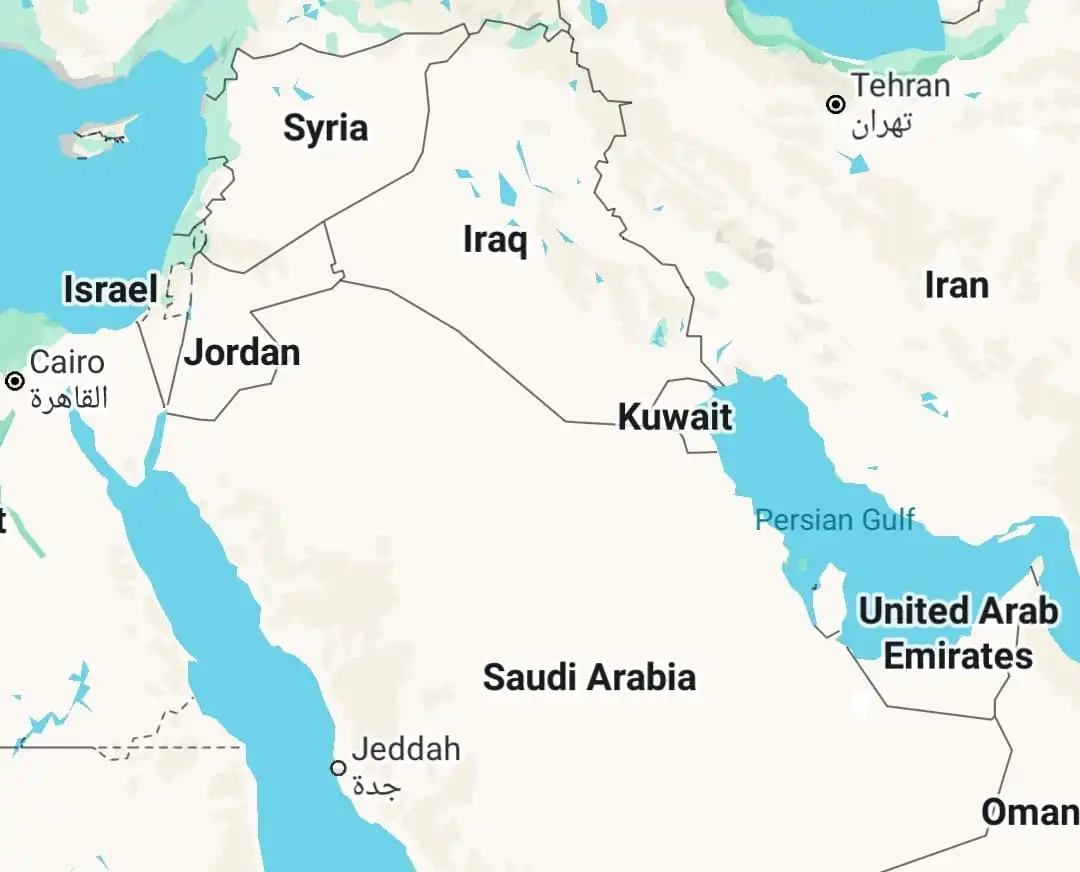
And even today, generations later, the principle, that “politics stops at the water’s edge,” is still largely axiomatic in American capitalist politics. Thus, whether the serving American president be Bush or Obama, Trump or Biden, US aid and weapons will still flow to South Korea and to Taiwan, to Israel and to Saudi Arabia, and fierce U.S. hostility to all those who oppose American domination, whether from the left (e.g., Cuba) or from the right (e.g., Iran) remains undiminished.
However, at this point it is useful to remember the principle of solidarity, that American working people, while certainly materially benefitting to some degree from U.S. Imperialism, are also at the same time oppressed by it, and that oppression can widely vary in nature and degree depending on which American party and which politician is in power. Particularly if one does not live under this reality every day it is tempting to wave one’s hand and shout, “More oppression? Less oppression? There’s not a coin’s worth of difference! If a ‘moderate’ American leader is going to keep up the very same material support to Israel or Taiwan as a proto-fascist might, or arrest or drive out asylum-seekers at the US border exactly like a “right-winger” did, what’s the difference?”
Unfortunately, if American workers are facing the risk of neo-Fascism this necessarily affects working people in the rest of the world as well. One way this can work is suggested in a troubling pre-election article published by “AlterNet,” entitled “Legal expert maps out Republicans’ plan to hold the 'entire global economy hostage' if they win the midterms.” As the world saw in the worst possible way during the 20th Century, ultra-right politics does not normally confine itself to one country. In fact, for a Fascist, war and aggression are regarded as good and natural, “manly” and even “healthy” and “cleansing.” This is the type of ideology American voters are facing, and even though the alternatives (Biden and the Democrats) are just as Capitalist, it is hard to deny that Biden is far less likely to launch an unprovoked foreign military or economic adventure than the American hard-right would if allowed unfettered access to the levers of power.