The list of sanctions over Russia is exhaustive. So far, military goods, luxury goods, and Russian oil and gas have been banned. Furthermore, The US, EU and UK have together sanctioned over 1,000 Russian individuals and businesses, including wealthy business leaders called oligarchs by the west, who are considered close to the Kremlin. Assets belonging to Russian President Vladimir Putin and his foreign minister Sergei Lavrov are also being frozen in the US, EU, UK and Canada. Western countries have frozen Russia's central bank's assets in order to prevent it from using its $630 billion (£470 billion) in foreign currency reserves. As a result, the rouble's value has fallen by 22% since the beginning of the year. Because of this, the price of imported goods has risen, resulting in a 14 percent increase in Russia's inflation rate.
What remains undiscussed is the aviation sector. All Russian flights have been barred from entering the airspace of the United States, the United Kingdom, the European Union, and Canada. Private jets chartered by Russians have also been prohibited in the United Kingdom. This does not stop here. The sanctions even prevent the shipment of spare parts. As of now, over 400 leased aircrafts (owned by foreign companies) are stuck in Russia. The companies, owing to the sanctions were supposed to take back these planes.
Putin has not taken to these developments kindly. Russia's President Putin has stated that he will require "unfriendly" nations to pay for their imports of Russian gas in roubles, causing the currency's value to rise. Russia has prohibited the export of more than 200 products until the end of 2022, including telecommunications, medical equipment, vehicles, agricultural products, electrical equipment, and timber. After the sanctions were imposed on Russia, Putin allowed the airlines to take control of the planes by signing a law. These western companies own over 70% of these aircrafts, which makes these sanctions all the more jarring. Obviously, the reliance on western aircrafts could have been avoided had the Soviet Union not crumbled. Previously, it was the soviet made aircrafts that dominated the airspace of Russia. Since the companies cannot by law send spare parts for the planes stuck there, no maintenance work will take place. The planes stuck there will have to make do with whatever is available, or ask other countries ( which haven’t sanctioned Russia) for spare parts. Incase the latter does not work, the aircrafts will fail to meet security standards.
How will Russia deal with it?
Transport Minister Vitaly Savelyev stated on March 22 at a meeting of the economic policy committee in the Russian parliament's upper house that "Russia was being guided by Iran's experience of how to service aircraft in a similar situation."

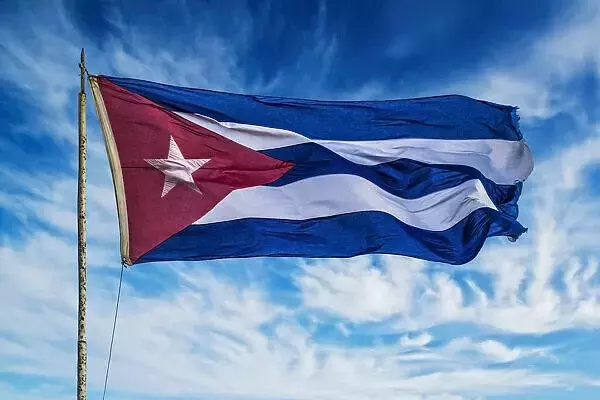
Tehran has certainly had more than enough practise, having been the target of US and other international sanctions on and off for decades. For many years, Iran has been barred from acquiring spare parts or new planes from international manufacturers, but the country's airlines have continued to operate, largely by using some planes as spare parts. In 2018, around 100 of its 250-plus aircraft were grounded because they had either broken down or been stripped for parts. Following its sanctions experience, Iran looked for alternatives to western aircraft, but any deals were difficult to complete. In 2018, two Iranian airlines, Aseman Airlines and Iran Air Tours, announced agreements to purchase 40 Sukhoi SuperJet 100 aircraft from Russia for a listing of around $2 billion. Iran even tried to make its own planes. Same is the case with Cuba and cars. In the streets of Havana, one only finds vintage cars because of the sanctions.
The experiences in Iran, Cuba should remind us how ghastly sanctions actually are. In Iran, many people died of coronavirus as the sanctions prevented them from importing medical equipment. We should remember that sanctions are inhuman.