The Palestinian detained in Israeli prisons, Maher Al-Akhras, continues his hunger strike for the 79th consecutive day, and suffers from extremely difficult health conditions, which threatens to lose his life at any moment.
The strike of the prisoner Maher comes in protest against his administrative detention, (detention without a charge), since July 27, 2020. The Israeli occupation forces arrested Maher from his home in the city of Jenin in West Bank and transferred him to Ofer prison. The military court confirmed his administrative detention for a period of 4 month. Immediately, he announced his open hunger strike.
The Israeli occupation continued to detain him in Ofer Prison until his health deteriorated, so he was transferred to a medical clinic belonging to Ramle Prison. The clinic does not meet the minimum health conditions and all what the prisoners get there is a few painkillers.
After a serious deterioration of Maher’s health, he was transferred to Kaplan Hospital, and he is still detained there despite the serious deterioration in his health and his refusal to take any supports or conduct medical examinations.
Maher Al-Akhras, who is 50 years old, is married and father of six children, the youngest of whom is a 6-year-old daughter. In a supportive step, Maher’s wife announced her hunger strike on October 7th, 2020, and demanded an end to the arbitrary and criminal detention of her husband.
It is noteworthy that the Maher was arrested by the occupation forces for the first time in 1989 for seven months, and the second time was in 2004 for two years. Then he was re-arrested in 2009, and he remained in administrative detention for 16 months, and again he was arrested in 2018 for a period of 11 months.
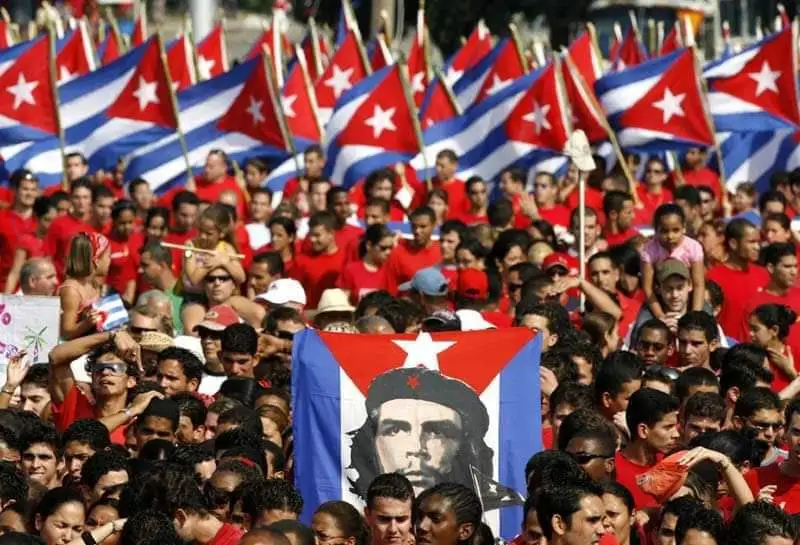
Many popular movements took place to support the prisoner Maher Al-Akhras, the last of which was a popular demonstration calling for saving the prisoner's life and his immediate release.
Administrative detention is another aspect of the brutality of the Israeli occupation:
According to ADDAMEER Prisoners Support and Human Rights Association: administrative detention is a procedure used by the Israeli occupation forces to detain Palestinian civilians without a specific charge and without trial. It deprives the detainee and his lawyer of knowing the reasons for the arrest, which prevents the development of an effective defines.
Administrative detention, as practiced by the Israeli occupation, is illegal and arbitrary. According to international law, "Administrative detention is only carried out if there is a real danger threatening the national security of the state."
Administrative detainees are subjected to many forms of ill-treatment and harsh punishment that degrades human dignity, including: medical negligence, inadequate detention conditions, restriction of contact with lawyers, prevention of family visits and exposure to physical and psychological torture.
In many cases, the administrative detention is extended several times, bringing the prisoner’s detention without any charge to running for years. In many cases, the prisoners are released, and after a few days, they are re-arrested again.
Until the end of June 2020, Israel was holding 357 Palestinians administrative detainees, including two children and one woman. Over the years of the Israeli occupation, tens of thousands of Palestinians have been subjected to the illegal administrative detention.