The International interviewed Danny Shaw on his return from Brazil. Shaw is a Professor in Latin American & Caribbean Studies at the City University of New York (CUNY).
If you are a socialist, We need you now!✕
We are proudly biased towards Anti Capitalist, Anti Imperialist, Anti fascist! We believe we don’t need to mention you the importance of marxist magazine in this era! We are depending on our comrades only! Make an investment of $2.5/m in making a quality journal inclined to Marxism Leninism! Your one potential subscription helps us to maintain our global team! Subscribe and get access of all exclusive content available at the magazine section!
In the second round of Brazil’s presidential election, the leftist candidate LuizInácio Lula da Silva was victorious with 50.9% of the vote. But the closer than expected result points to the strength of reactionary and far-right forces in the country. Shaw describes the count on election night as “a nailbiter”, explaining that “a lot of analysts thought Lula would win by perhaps five to seven percentage points, as the polls suggested”. In the event, Lula’s win was much narrower, but still a clear win: “Two million votes in a country of 210 million people is not the largest margin, but it is still definitive,” Shaw notes. The far right, the Bolsonaristas, are reluctant to accept the result, and Bolsonaro has not asked them to do so. Professor Shaw describes how many of them, especially those who belong to evangelical churches, “have been bombarded with propaganda saying that Lula is this dangerous Communist, and equating Communism with terrorism”, making it a bogeyman.
There are parallels with the Trump movement in the US. Bolsonaro, like Trump, claims to be the candidate of law and order. “Yet his supporters have engaged in shoot-outs with federal police,” Shaw points out.
The US, France, Spain and other Western countries were among those to congratulate Lula almost as soon as his victory was announced. Shaw argues that “the true ruling class in Brazil is defining Bolsonarismo – a brand of proto-fascism – as the number-one enemy. They can depend more on Lula – though he is leftwing, the Biden White House and other international players see Lula as perhaps a candidate they can work with”.
Nevertheless, they would obviously be less comfortable if Lula adopted more leftist positions: “They fear a more radical Lula,” Shaw explains. “The million-dollar question is, what sort of Lula will we see? Will we see a fortified, anti-imperialist Lula, a Lula floating the idea of Latin American unity and a Latin American currency – or a Lula appeasing Washington?” Shaw thinks Lula will be somewhere in the middle.
Yet even if Lula might not be as radical as supporters would like, his victory “seals this second iteration of the Pink Tide”, giving it positive momentum, Shaw argues. Lula’s first foreign policy visit is likely to be to Argentina, and it is probable that Argentina will join BRICS. These developments are a blow to the US vision of Latin America as its “backyard”. Shaw points to resource sovereignty and liberation from US colonialism as key ideas of the Latin American left, and contends that as more countries throw off the US yoke and deepen their trade ties with Russia, China, Iran and other countries, “this will strike fear into Washington”. He predicts that Lula will reach out to Russia and China and suggests that a Lula victory is likely to mean “a fortified BRICS, the resurgence of Mercosur, of Unasur, and hopefully of Telesur”.
Lula represents a “solid social democracy”, Shaw says. He wants every family to have three good meals a day, and scholarships to be given to those who need them. “It won’t be a government of complete class warfare,” he acknowledges, but Lula will still “ruffle some feathers” in the coming months.
Turning to the subject of Haiti, which Shaw has also recently visited, he notes that Chavez’ rise to power in Venezuela in 1998 was preceded seven years earlier by the electoral victory in Haiti of Jean-Bertrand Aristide, a key point in the Latin American struggle for self-determination, preceding the usually assigned start date of the Pink Tide. Liberation theology (Aristide’s ideology) has been influential not only in Haiti but also Chile and Nicaragua. It certainly falls under the umbrella of Bolivarianism, in Shaw’s view.
Currently, contrary to Haitian popular aspirations, the United States is threatening what would be its fifth military intervention in Haiti in the space of a century – an intervention called for by the unelected prime minister, Ariel Henry, a puppet of the West. The US is currently looking for ways to make an intervention look multilateral, Shaw explains, trying to “deputize” other countries, perhaps the Bahamas or a Caribbean state. The US “certainly does have many economic, diplomatic and military interests” and it will fight wherever it sees its interests threatened. “The US military will pave the way for US capital to come in and exploit resources.”
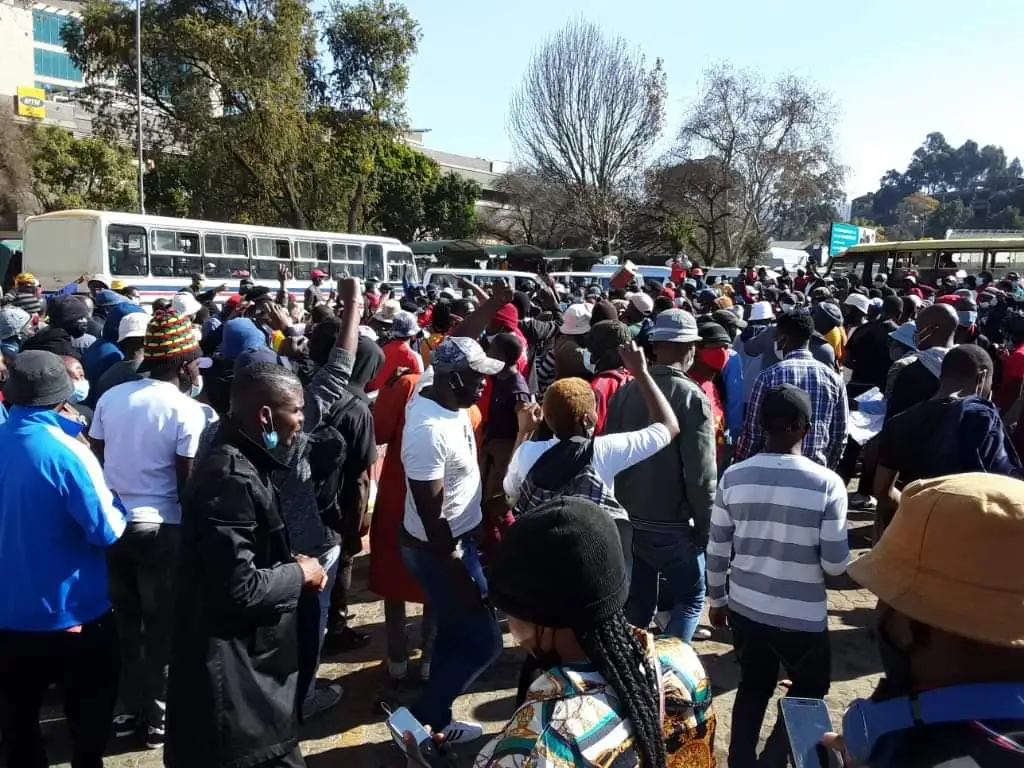
He highlights that the US and Canada have sent “war supplies, arms, anti-riot equipment” to the Haitian government. “If the US and its junior partners are historically responsible for state violence and neocolonialism in Haiti, how can they be its cure?” he asks rhetorically. The message from demonstrators, he explains, is a clear injunction to “leave Haiti alone”. This risks getting lost amid coverage of gang violence – “which we certainly should pay close attention to,” he agrees, “but the number-one terrorists in Haiti are the national police.” The condition of the Haitian people is desperate, he relates. “One gallon of gasoline costs 20 to 25 US dollars. I’ve just had a call from some friends who described the dire situation – no access to drinking water, very little access to any type of water. All of humanity should stand up in solidarity.” Tear gas and live ammunition have been used against protesters.
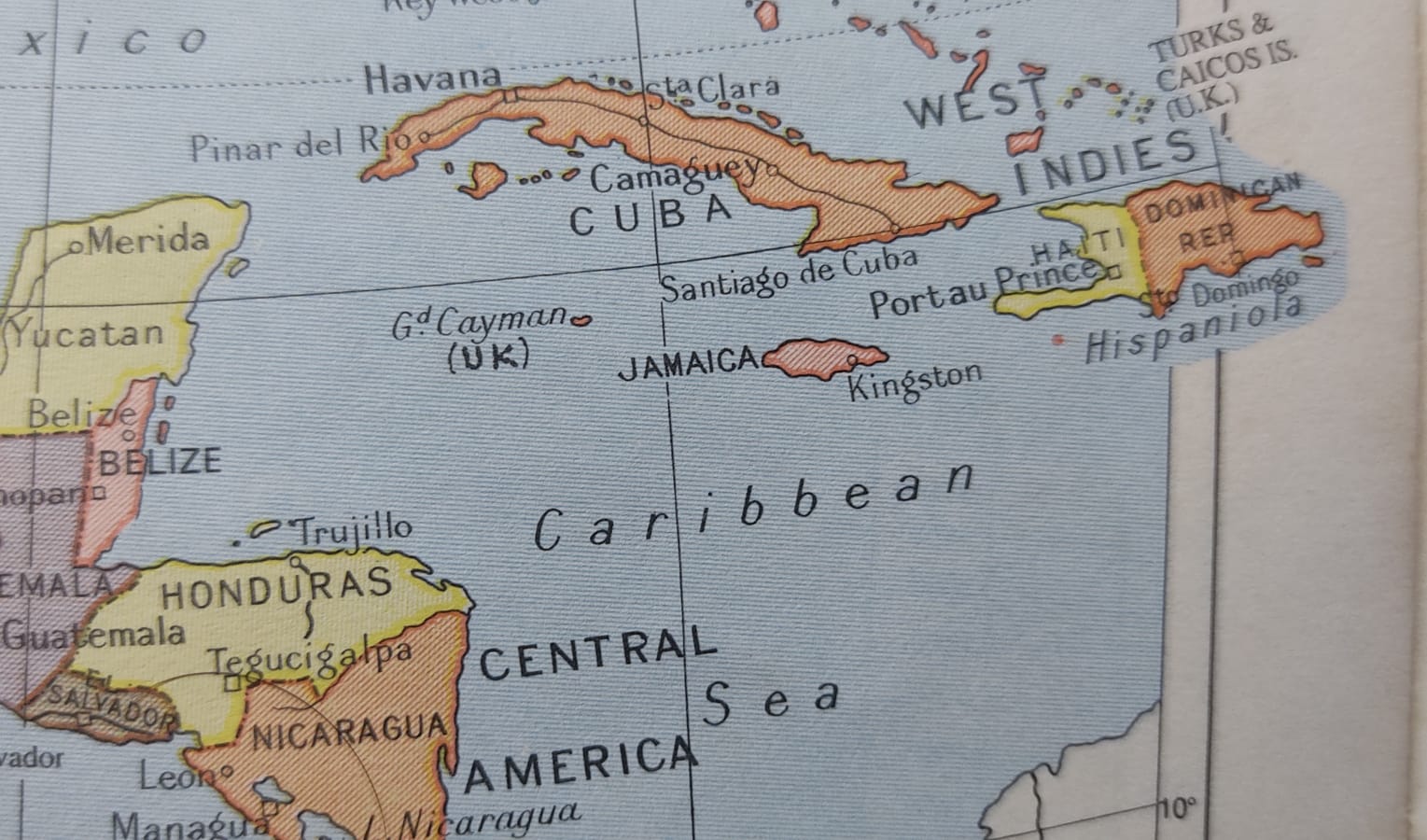
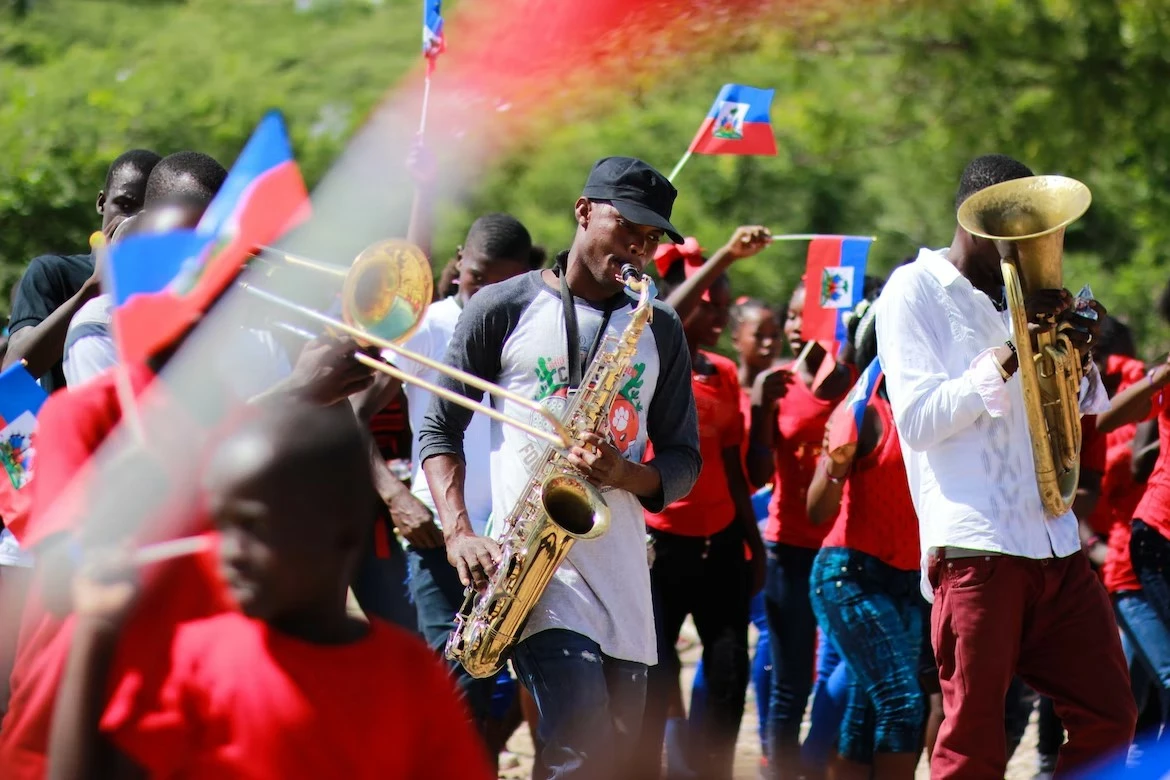
The professor has noted pro-Pink Tide feelings of Latin American solidarity among the people of Haiti – Cuban, Venezuelan and occasionally Chinese flags have been seen on the streets. The grassroots want national liberation, but there is an utter disconnect between grassroots demands and the state. The time that Haiti came closest to joining the rest of Latin America in anti-imperial solidarity was when Hugo Chavez formed Petrocaribe and visited Port-au-Prince.
Asked how people can help Haiti, Shaw suggests that “everyone should follow the different grassroots actors across Haiti – there’s a strong women’s liberation sector, there’s the Papaye peasant movement MPP, there’s MOLEGHAF, PAPDA, HaitiLiberté, all of these expressions of the Haitian national liberation struggle… Haitians have devout anti-imperialist leadership, honest leadership, and we must translate these voices and get them out there.” Funding is also important, including ensuring that solidarity aid isn’t “squandered with the Red Cross, who do some useful work but who don’t challenge anything at the core of society… It’s the neocolonial earthquake and the neocolonial hurricane that have disempowered the people”, he clarifies – not the physical ones. He adds that we need to get more Haitians to international conferences (though the Haitian and US governments sometimes block activists’ visas) and encourage “people-to-people diplomacy”.
Shaw is active on social media, including at https://twitter.com/dannyshawcuny and encourages readers to check for further information there.