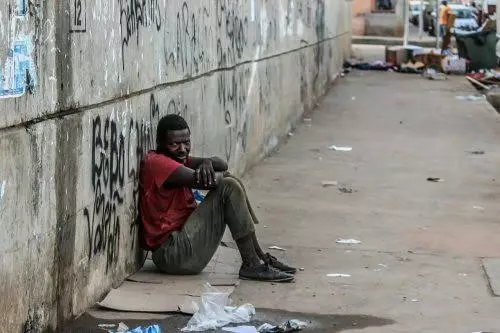
“Thy father is a poor man” mark well what that may mean
On the tablets of thy memory that truth write bright and clean.
Thy father’s lot it was to toil from earliest boyhood on
And know his latent energies for a master’s profit drawn”
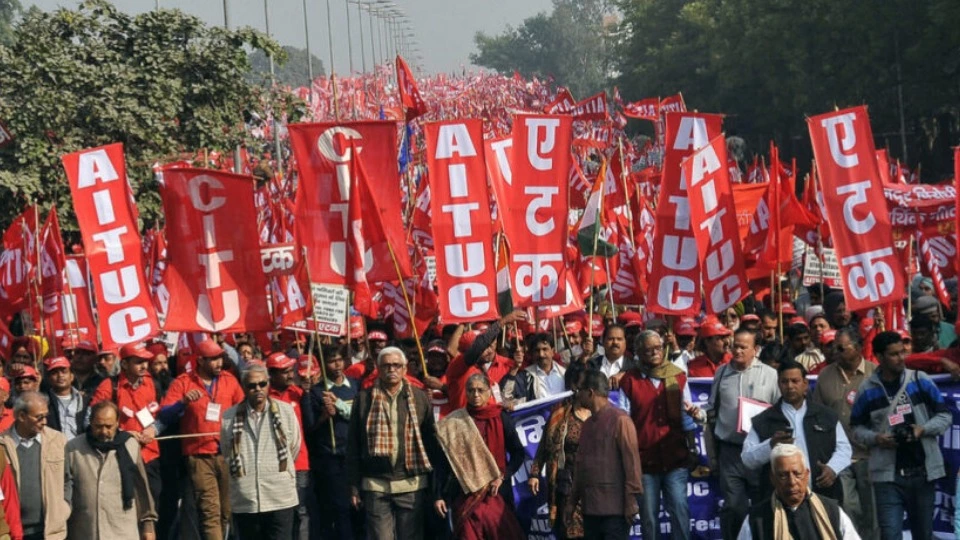
Not much has changed since James Connolly penned this down. This rings true during the pandemic, given that the rich have been able to increase their wealth while many workers were ruthlessly laid off. Many quit owing to the harsh working conditions. In India, these conditions led to a general strike. The strike (28th and 29th March) was called by ten trade unions to protest the Narendra Modi government's "anti-worker, anti-farmer, anti-people, and anti-national policies." The central trade unions that are members of this joint forum are Hind Mazdoor Sabha (HMS), Centre of Indian Trade Unions (CITU), Indian National Trade Union Congress (INTUC), All India Trade Union Congress (AITUC), Self Employed Women's Association (SEWA), All India United Trade Union Centre (AIUTUC), Trade Union Coordination Centre (TUCC), All India Central Council of Trade Unions (AICCTU), Labour Progressive Federation (LPF) and United Trade Union Congress (UTUC).
The Bharatiya Mazdoor Sangh has decided not to participate in the strike. Workers are facing widespread economic hardship as a result of job losses, plummeting incomes, skyrocketing food and fuel prices, and chronic unemployment, all of which are aggravated by the Covid-19 pandemic. The unions predicted that approximately 200 million workers would take part in the strike. Dr Dhondiram Karad, national vice-president of the Centre of Indian Trade Unions, said: “There is intense discontent against the Modi government. With food, gas and fuel prices so high, it is hard for an ordinary family to live, but this government ignores the working class totally.”

What do the masses want?
Unions demanded universal social security coverage, a higher minimum wage, a halt to the sale of state assets, and no more privatisation of public sector banks. The workers also want the controversial, newly passed labor codes to be repealed. On the day these codes were passed in Lok Sabha and Rajya Sabha, the Opposition was not present as they were boycotting the Parliament. Furthermore, these codes are pro employer as well. According to this code, the definition of a company that must seek permission from the government before closing down has been expanded to include businesses with more than 300 employees. Previously, companies with more than 100 employees had to obtain a license from the state to close. Moreover, under the new code, companies employing up to 300 people will no longer be required to create standing orders for their employees. Standing orders are essentially the rules of behaviour for workers in industrial establishments. People want employment as well. As of now, 53 million Indians remain unemployed.
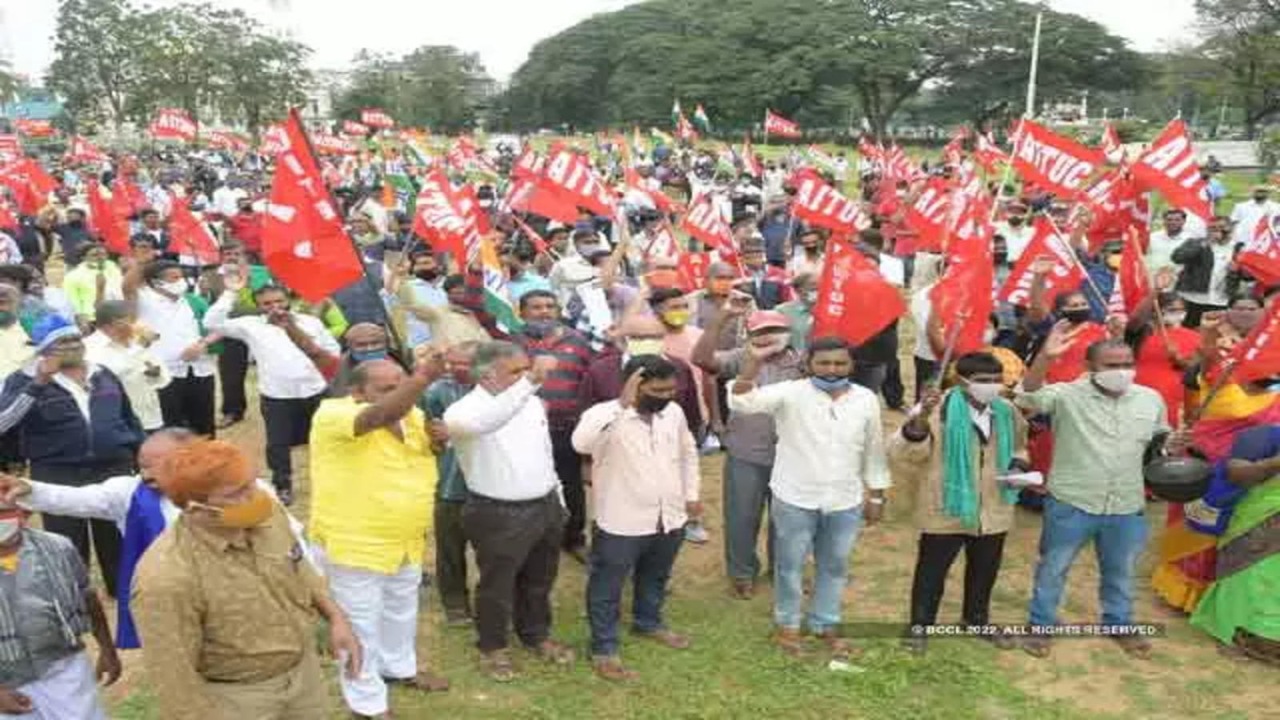
Despite the fact that the strike had been called on a national scale, there had been no reports of widespread disruption in citizens' daily lives, with the exception of a few pockets of the country. There were partial shutdowns in the southern Indian state of Kerala and the eastern Indian state of West Bengal. Even so, essential services were not disrupted.
Cars were freely moving on the roads in many other parts of the country, trains were running as usual, and government offices were open as usual.
As the Indian state continues its assault on the working masses, the workers grow stronger in their convictions. It is only their strength that will send shivers down the spine of the oppressive ruling class.